
This past weekend, South Africans joined thousands of activists around the world in the annual Global Cannabis March—a powerful, unified call to end prohibition and implement fair, inclusive cannabis laws.
From Durban to Gqeberha to Cape Town, the message was loud and clear:
Partial legalisation is not enough. South Africa needs real reform.
🌍 A Global Movement for Freedom
The Global Cannabis March has been taking place for over two decades, bringing together activists, patients, growers, and citizens who believe in ending the failed war on cannabis.
Today, Dana Beal continues to push for cannabis reform. He adapts to new political landscapes, joining campaigns for decriminalization and social justice. His efforts remind us that activism doesn’t stop after a court victory.
Beal mentors new activists, sharing stories and strategies. He connects with movements focused on racial justice, drug policy, and environmental issues. His legacy fuels a new generation of fighters who believe change is possible. Founder of the Global Cannabis March – Dana Beal
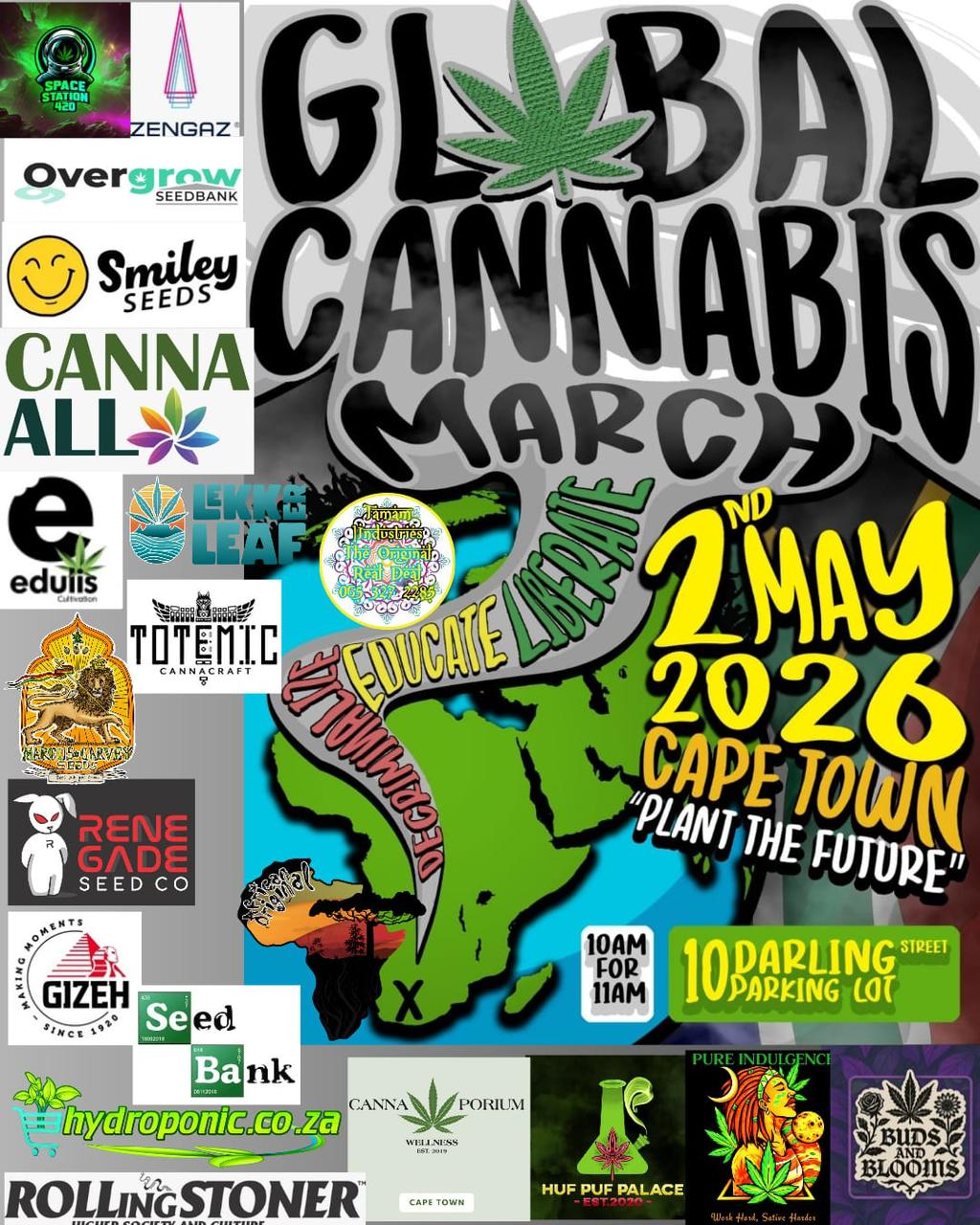
What started as a protest movement has evolved into a global platform for:
- Legal reform
- Human rights advocacy
- Economic justice
- Public education
South Africa has been part of this movement for years—and in 2026, the urgency is greater than ever.
🇿🇦 The Problem: “Legal” But Not Free
South Africa often claims progress on cannabis reform—but the reality tells a different story.
Yes:
- Adults can use cannabis privately
- Home cultivation is allowed
But:
- There is no legal way to buy or sell cannabis
- Cannabis social clubs operate in uncertainty
- Small-scale growers remain excluded
- Arrests are still happening
This contradiction has created a system where cannabis is technically legal—but functionally restricted.
📍 Durban: Community Voices Rise
In Durban, activists gathered to highlight the importance of protecting traditional growers and informal traders—many of whom have sustained the cannabis economy for generations.
The message from KwaZulu-Natal was clear:
Legalisation must include the people, not replace them.
There is growing concern that without fair policies:
- Large corporations will dominate
- Small farmers will be pushed out
- Communities will be left behind
📍 Gqeberha: Justice for the Eastern Cape
In Gqeberha and across the Eastern Cape, the march carried a deeper historical weight.
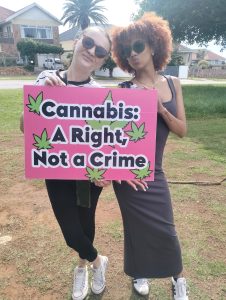
This region has long been a backbone of South Africa’s cannabis production, yet its communities have:
- Faced years of criminalisation
- Seen little economic benefit
- Been excluded from policy discussions
Marchers demanded:
- Recognition of traditional cannabis knowledge
- Inclusion in future legal markets
- An end to ongoing enforcement targeting rural growers
📍 Cape Town: Policy, Pressure, and Progress
Cape Town hosted one of the country’s largest marches, bringing together activists, legal minds, and industry players.
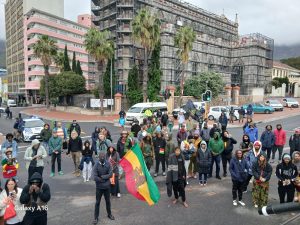
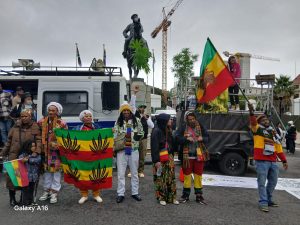
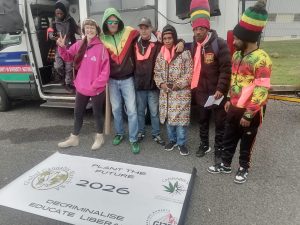
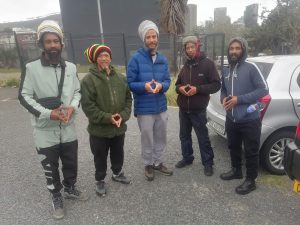
Here, the focus was on:
- Clear legislation
- Commercial regulation
- Ending the legal grey zones
As South Africa edges closer to regulatory frameworks, Cape Town remains a central hub for shaping the national cannabis conversation.
🚔 The Reality: Arrests Still Continue
Despite legal reforms, cannabis users and traders are still being arrested.
This is the reality of half-measures:
- Police discretion remains inconsistent
- Laws are unclear and unevenly applied
- Citizens are left vulnerable
Legalisation without clarity is not justice—it’s confusion.
⚖️ What Needs to Change
The Global Cannabis March 2026 highlighted key demands that cannot be ignored:
- Legal and regulated cannabis trade
- Protection for small-scale and legacy growers
- Clear laws around cannabis clubs
- End to arrests for cannabis-related activities
- Inclusive economic participation
South Africa must move beyond symbolic reform and implement real, workable policies.
✊ From Protest to Political Action
For organisations like the Dagga Party, the path forward is clear: cannabis reform must move from the streets into policy and political power.
Activism alone is not enough.
South Africa needs:
- Representation
- Legislative change
- Accountability
The Global Cannabis March is not just a protest—it is a reminder that the people are ready for change.
🌱 Conclusion: The Fight Continues
The marches in Durban, Gqeberha, and Cape Town were not just events—they were statements.
Statements that:
- The current system is broken
- The community is united
- And the demand for real legalisation is growing
South Africa stands at a crossroads.
The question is no longer whether cannabis reform will happen—but who it will benefit when it does.